Red Bricks Manufacturing: A Complete Guide to the Backbone of Construction
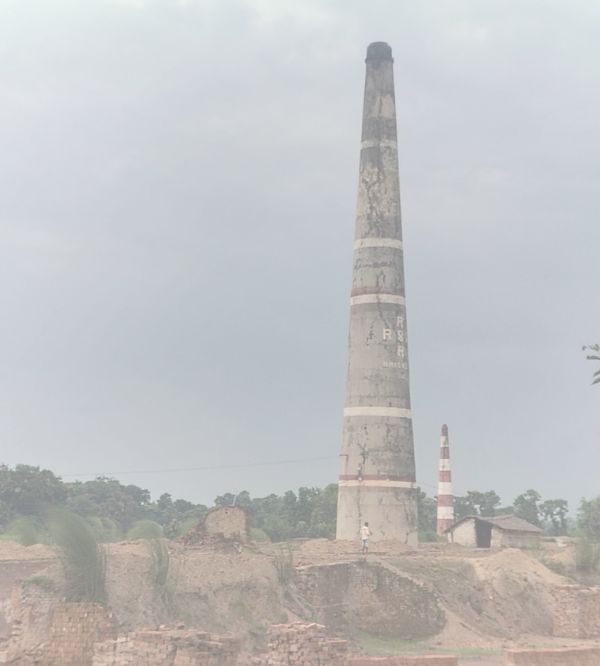
Bricks are the oldest and most trusted building materials in the world. Among all types, red bricks have remained the most popular due to their strength, durability, and timeless appeal. Whether it is a small house, a school, or a massive commercial building, red bricks form the foundation of construction.
In this blog, we will dive deep into the world of red bricks manufacturing, its process, advantages, challenges, and opportunities for entrepreneurs.
What is Red Bricks Manufacturing?
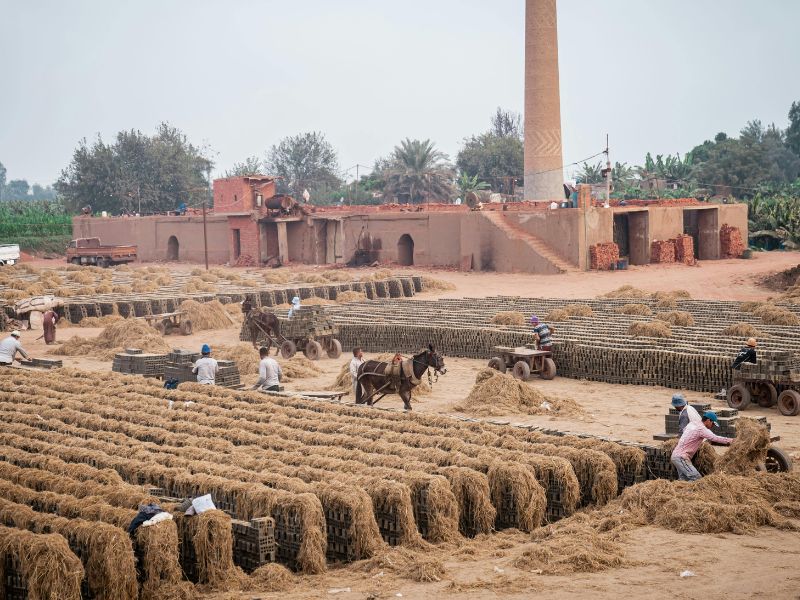
Red bricks manufacturing is the process of making clay-based bricks that turn red when baked in kilns. The red color comes from the presence of iron oxide in the clay. These bricks are widely used in construction across India and the world.
- They are known for strength, durability, and fire resistance.
- They are made using natural clay and soil, making them easily available.
- Red bricks are ideal for both residential and commercial projects.
Importance of Red Bricks in Construction
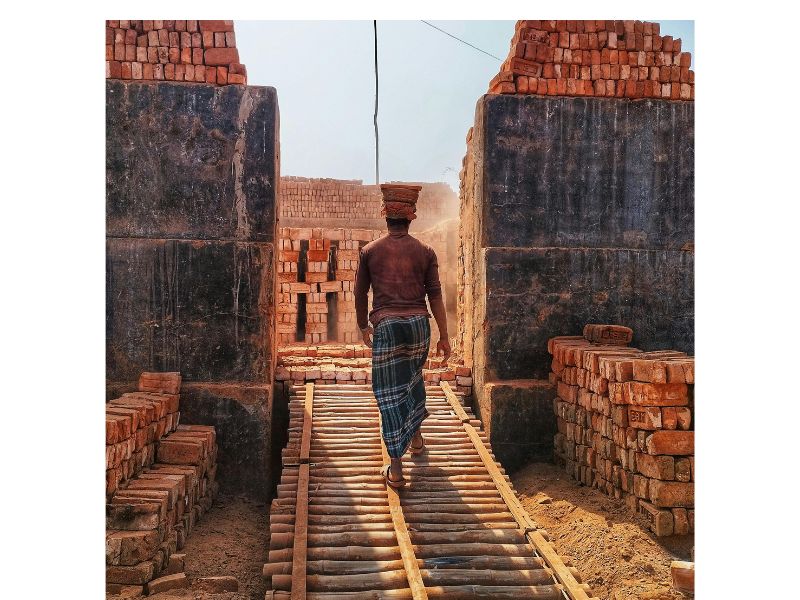
Red bricks remain the preferred choice of builders, architects, and contractors because:
- Strong load-bearing capacity – suitable for walls and foundations.
- Thermal insulation – keeps buildings cool in summer and warm in winter.
- Soundproofing qualities – ideal for schools, offices, and homes.
- Eco-friendly – made from natural clay.
- Aesthetic appeal – can be left exposed for rustic designs.
Step-by-Step Process of Red Bricks Manufacturing
The red bricks manufacturing process involves several stages:
- Clay preparation
- The soil is collected and cleaned from stones, grass, or other impurities.
- Weathering
- The clay is left under the sun and rain for a few weeks to improve plasticity.
- Blending and tempering
- Water is added to make the clay workable.
- Molding
- Bricks are shaped manually or by using machines.
- Drying
- The molded bricks are air-dried for 7–10 days.
- Burning in kilns
- Bricks are fired at high temperatures (900°C–1100°C) in kilns, which gives them the iconic red color.
- Sorting and quality check
- Bricks are checked for cracks, strength, and uniformity before delivery.
Types of Red Bricks
- Hand-molded red bricks – traditional and cost-effective.
- Machine-molded red bricks – more uniform and faster production.
- First-class red bricks – high-quality, uniform, used in visible walls.
- Second-class red bricks – slightly rough, used in hidden construction.
- Wire-cut red bricks – smooth surface, modern look, used in exposed brickwork.
Advantages of Red Bricks Manufacturing
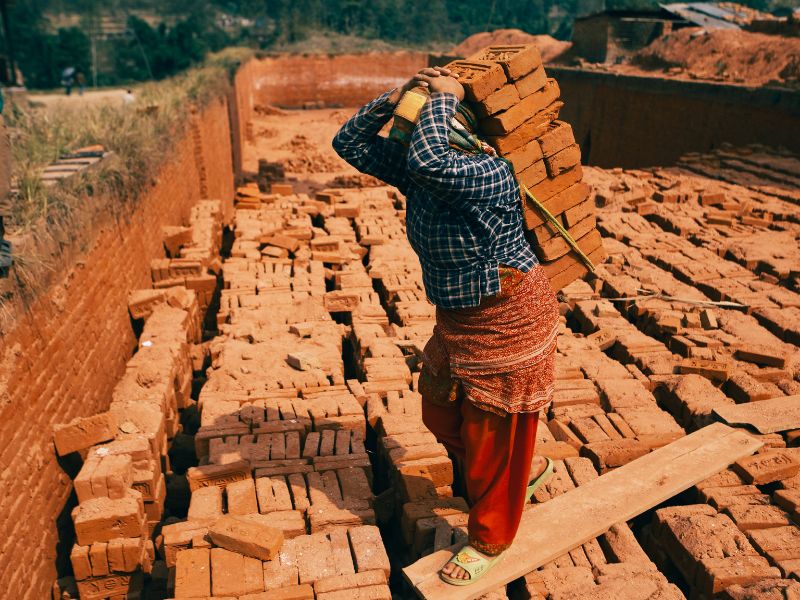
Being a part of red bricks manufacturing brings multiple benefits:
- Evergreen demand – construction projects always need bricks.
- High durability – red bricks last for decades.
- Profit potential – local and export demand is strong.
- Easy availability of raw materials – clay and soil are abundant.
- Low maintenance – once produced, red bricks require no extra care.
Challenges in Red Bricks Manufacturing
Despite opportunities, manufacturers face hurdles:
- Rising fuel costs for kilns.
- Land availability for clay extraction.
- Environmental regulations on soil and emissions.
- Competition from fly ash and concrete bricks.
- Seasonal demand (construction slows during monsoon).
Business Opportunities in Red Bricks Manufacturing
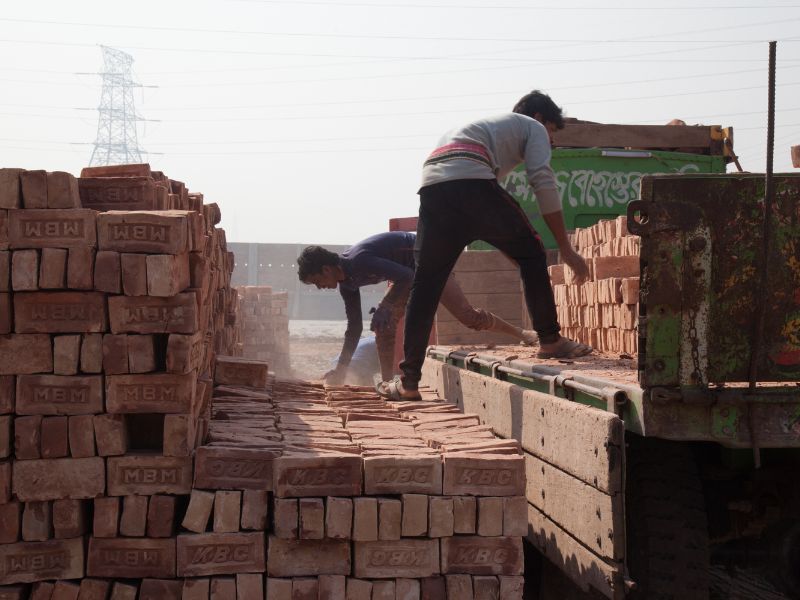
For entrepreneurs, red bricks manufacturing offers vast potential:
- Growing housing demand in rural and urban areas.
- Government projects such as highways, schools, and affordable housing.
- Export opportunities to neighboring countries.
- Eco-friendly kiln technologies reduce pollution and increase efficiency.
- Digital marketing can connect manufacturers directly with builders.
How to Start a Red Bricks Manufacturing Business
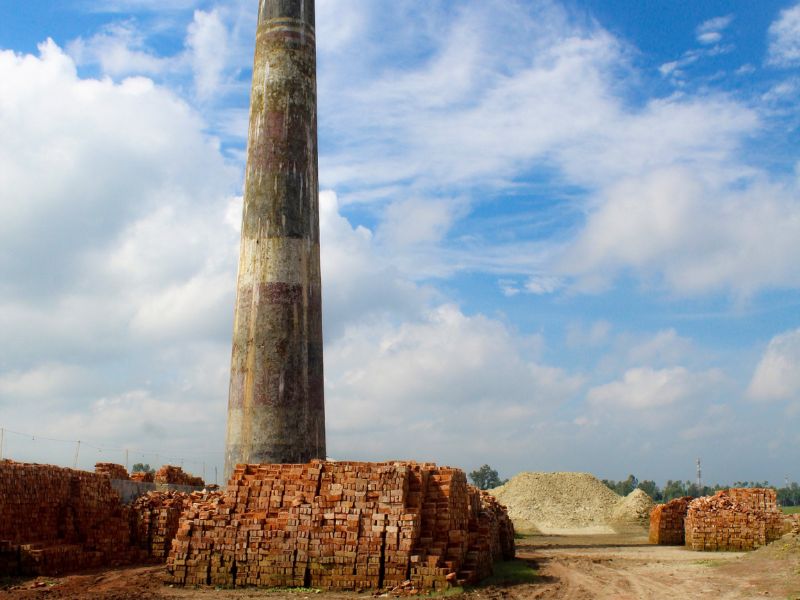
If you are planning to enter this industry, follow these steps:
- Market research – study demand in your region.
- Select location – near raw materials and transportation routes.
- Arrange machinery – brick molding machines, kilns, dryers.
- Get legal permissions – pollution clearance and business licenses.
- Hire skilled workers – for molding, kiln operation, and logistics.
- Build a distribution network – connect with builders, hardware stores, and contractors.
Marketing Tips for Red Bricks Manufacturing Units
To grow your business, use these strategies:
- Highlight quality and durability of your bricks.
- Showcase eco-friendly practices like improved kilns.
- Create a website with SEO blogs on construction materials.
- List your business on Google My Business for local visibility.
- Partner with architects and real estate developers.
- Use social media to showcase your projects and client success stories.
The Future of Red Bricks Manufacturing
- Sustainable production – demand for less-polluting kilns will rise.
- Mechanization – automation will reduce labor dependency.
- Designer red bricks – customized shapes and finishes for modern architecture.
- Global expansion – Indian red bricks will see more exports in coming years.
Conclusion
Red bricks manufacturing has been the heart of construction for centuries and continues to be one of the most profitable and reliable industries. From raw material preparation to firing in kilns, every stage requires precision and dedication. While the industry faces challenges like rising fuel costs and environmental regulations, the growing demand for housing and infrastructure ensures a bright future.
👉 Whether you are a builder, architect, or aspiring entrepreneur, red bricks manufacturing is not just about making bricks—it is about building the foundations of tomorrow.
✅ Word count: ~1030 (keyword “red bricks manufacturing” used naturally for SEO).
Would you like me to also prepare a meta title, meta description, and 5 SEO-friendly blog post titles for this article so you can publish it directly on your website?
Is this conversation helpful so far?