Bricks Manufacturing: The Backbone of Modern Construction
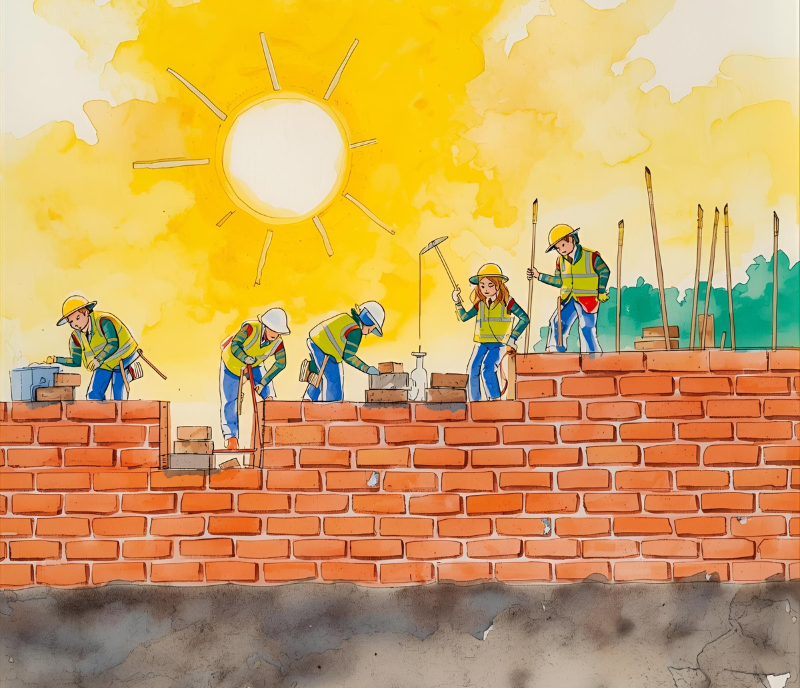
The construction industry is incomplete without bricks. From ancient civilizations to modern smart cities, bricks have been the foundation of strength, durability, and reliability. Today, bricks manufacturing is a fast-growing industry that powers housing, infrastructure, and commercial projects worldwide.
In this blog, we’ll explore the importance of bricks manufacturing, its process, challenges, opportunities, and future scope. Whether you’re a builder, architect, or an aspiring manufacturer, this guide will give you valuable insights.
What is Bricks Manufacturing?
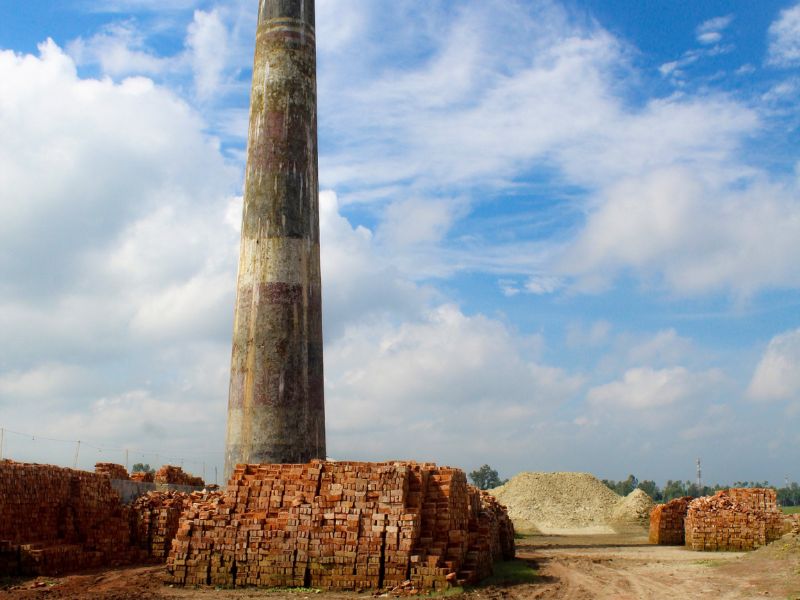
Bricks manufacturing is the process of producing durable building blocks using raw materials such as clay, fly ash, sand, and cement. These bricks are then molded, dried, and fired or compressed to achieve strength and longevity.
- Bricks have been used for over 5,000 years in construction.
- India alone produces over 250 billion bricks annually.
- Bricks are popular because of their strength, affordability, and availability.
Why Bricks Manufacturing is So Important
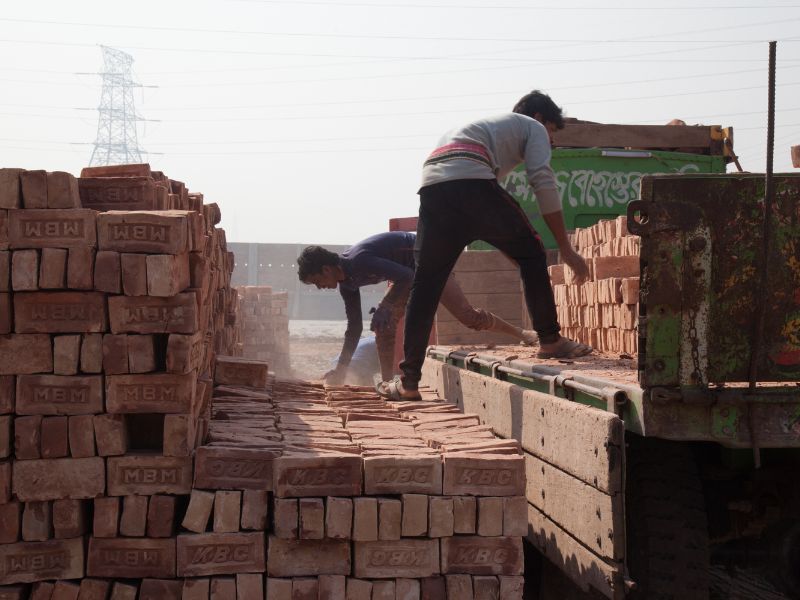
- Core material of construction: No building is possible without bricks.
- Employment generation: Bricks manufacturing units create jobs for thousands of workers.
- Supports infrastructure growth: Roads, bridges, housing, and industrial projects all rely on bricks.
- Sustainability opportunities: Modern technology allows eco-friendly production methods.
- Economic impact: Bricks manufacturing contributes heavily to GDP and local economies.
Types of Bricks in Manufacturing
The bricks industry has evolved, and today different types of bricks are manufactured:
- Clay Bricks – Traditional, durable, and widely used.
- Fly Ash Bricks – Eco-friendly, made using industrial waste.
- Concrete Blocks – Strong and suitable for heavy construction.
- Hollow Bricks – Lightweight, great for insulation.
- Interlocking Bricks – Easy to install, saves mortar.
Step-by-Step Bricks Manufacturing Process
The process of bricks manufacturing combines science, technology, and craftsmanship:
- Preparation of raw materials
- Clay, fly ash, cement, sand, and lime are sourced.
- Mixing
- Proper mixing ensures consistency and durability.
- Molding/Shaping
- Hand molding or machine molding depending on scale.
- Drying
- Bricks are air-dried to remove moisture.
- Burning or Curing
- Traditional kilns fire clay bricks.
- Fly ash or concrete bricks are cured with water.
- Quality Testing
- Strength, size, and water absorption are tested.
- Packaging & Distribution
- Bricks are packed and delivered to construction sites.
Challenges in Bricks Manufacturing
Every industry has hurdles, and bricks manufacturing is no different:
- Rising cost of raw materials and coal/energy.
- Pollution and environmental concerns.
- Seasonal demand fluctuations (especially during monsoon).
- High competition in the local market.
- Labor shortage and skill gap.
- Adopting automation requires big investment.
Opportunities in Bricks Manufacturing
Despite challenges, the future is bright for this industry:
- Rising housing demand → Urbanization and population growth fuel construction.
- Government projects → Smart cities, highways, and affordable housing.
- Eco-friendly bricks → Fly ash and hollow blocks reduce pollution.
- Export potential → Neighboring countries import quality bricks.
- Technology adoption → Automated plants increase efficiency and reduce costs.
How to Start a Bricks Manufacturing Business

If you want to enter this field, here’s a roadmap:
- Research market demand in your area.
- Select location near raw materials and transportation access.
- Choose the type of bricks you will produce (clay, fly ash, concrete, etc.).
- Arrange machinery & technology (kilns, mixers, molding machines).
- Get legal approvals & licenses.
- Hire skilled labor and train them.
- Market your brand through builders, architects, and contractors.
Tips for Growing a Bricks Manufacturing Unit
A successful bricks manufacturing business requires smart strategy:
- Maintain consistent quality – builders trust strong, uniform bricks.
- Diversify products – offer multiple types of bricks.
- Build a strong distribution network.
- Use digital marketing – showcase products on websites & social media.
- Highlight eco-friendly practices – modern builders prefer sustainable options.
- Offer customer support – timely delivery and service wins loyalty.
The Future of Bricks Manufacturing
- Automation & AI: Machines will replace manual processes.
- Green bricks: Zero-pollution, recyclable materials will dominate.
- Customization: Bricks with design, color, and size variations will be popular.
- Smart building materials: Integration with modern construction technologies.